9+ curated guides • Updated December 2025
When a celebrity posts a blue and white flag, it's more than a political statement—it's a calculated move with immediate, high-stakes consequences for their brand. Before we judge the message, let's decode the math: What is the real-world cost of a pro-Israel stance in terms of followers, endorsements, and future roles, and why are some stars deciding the price is worth paying? In my two decades of managing the public images of A-listers, I’ve seen careers pivot on less. This isn't about right or wrong; it's about risk and reward. We're breaking down the professional calculus that happens in war rooms with agents, managers, and publicists long before a single character is typed.
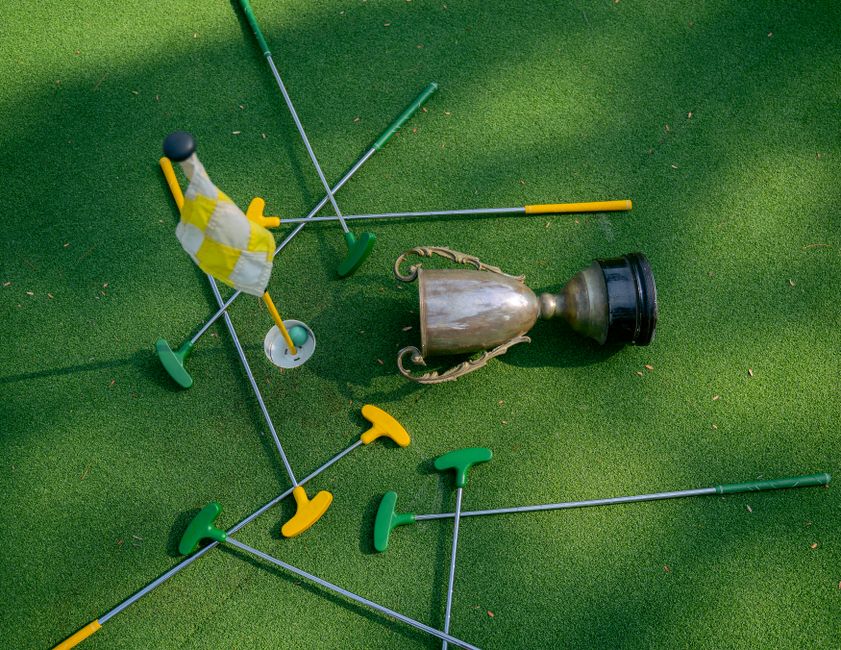
Most people buy a celebrity golf tournament ticket hoping to watch a pro athlete's clumsy swing or snag an autograph. They're missing the real game. The true value isn't on the scorecard; it's in the conversations happening in the clubhouse and beyond the gallery ropes, where your ticket becomes the most powerful networking tool you'll own all year. You’re not buying a spectator experience; you’re acquiring a temporary key to an exclusive club. This isn't about entertainment; it's a calculated move to place yourself in the direct orbit of the people who can change the trajectory of your career or company. Forget the binoculars. You need to bring a strategy.
Forget the paparazzi shots outside Carbone. The true celebrity experience in New York isn't about being seen—it's about the intricate system that allows them to disappear. What if the most exclusive spots aren't the ones with a velvet rope, but the ones you'd walk right by without a second glance? This isn't a guide for autograph hunters. It's a look under the hood at the city's real social machinery, the invisible infrastructure of normalcy that allows people who live their lives under a global microscope to simply... be. It's a map not of locations, but of an unspoken treaty between the famous and the city that, for the right price and the right attitude, agrees to look the other way.
When a celebrity buys a multi-million dollar mansion in Puerto Rico, it makes international headlines. But what happens to the corner colmado, the local artist, or the family renting down the street? We look past the glamour to uncover the real, on-the-ground economic boom and backlash of the island's growing status as a celebrity haven. This isn't just about famous faces in new places; it's a complex socio-economic phenomenon fueled by aggressive tax incentives like Act 60, which promises a near-tax-free paradise for those who can afford the price of admission. Our investigation delves into the dual realities this creates: one of glittering opportunity within gated communities, and another of rising costs and cultural displacement just outside their walls.
When Emma Chamberlain ascended the Met Gala steps in a historic diamond choker, the world saw a Gilded Age fantasy. What they didn't see was an exhibit—a priceless, contested piece of Indian history worn not as an artifact, but as an accessory. This moment wasn't just a fashion statement; it was a flashpoint in the growing debate over who gets to own, and display, the past. The ensuing internet furor, largely focused on the celebrity, missed the larger, more systemic issue: the role of luxury houses like Cartier as the new, unregulated gatekeepers of world heritage, transforming items of immense cultural significance into little more than high-stakes PR stunts.
We tune in for the shocking betrayals and scandalous secrets of the Forresters, Logans, and Spencers. But what if the most compelling drama isn't in the script at all? We're investigating the uncanny moments when on-screen storylines seem to expose the real-life 'dirty laundry' of the actors themselves. For decades, I've walked the studio lots and shared hushed conversations in green rooms. I can tell you that the line between the actor and the character is more porous than you can imagine. The daily grind of producing a five-day-a-week melodrama creates a unique ecosystem where personal lives don't just influence performances—they often become the blueprint for future plots. This isn't about coincidence; it's about a strange, symbiotic relationship between the storyteller and the star, where real pain is repackaged for ratings.
Every year, the Home Depot Black Friday ad drops a sea of tempting deals. But as a contractor who relies on tools to make a living, I see something different: a minefield of consumer-grade traps hiding a few diamonds of professional-grade value. Before you buy that shiny, cheap drill set, let me show you what a pro looks for to separate the real deals from the future landfill. I’ve seen enough smoking motors and dead batteries on a Monday morning to know that the cheapest price tag often carries the highest cost. We’re not just buying tools; we’re buying reliability, and that’s rarely the doorbuster special.
Imagine a personality type practically engineered for the stage: intensely charismatic, empathetic, uninhibited, and with a natural gift for music. This describes many individuals with Williams syndrome, yet you'll struggle to find them headlining movies or topping the charts. This article investigates the compelling paradox of why these 'natural-born celebrities' remain largely outside the spotlight. This isn't a story about limitations, but about a profound mismatch between a unique set of human gifts and the rigid machinery of modern fame. We will move beyond the surface-level discussion of the condition to dissect the cultural and industrial architecture that decides who gets a platform and who remains in the wings. By understanding this paradox, we reveal more about our society's narrow definition of success than we do about Williams syndrome itself.
You've typed 'James Avery near me' and Google has dutifully pointed the way. But the real destination isn't just a store; it's the start of a story, a tradition, a memory waiting to be made tangible. Before you go, discover the secrets to transforming a simple shopping trip into a cherished experience you'll remember every time you glance at that new charm or ring. This isn't about directions or store hours. This is a guide to intention. We live in an age of frictionless, one-click purchases, but some things—the truly significant things—deserve friction. They deserve a pilgrimage. A James Avery piece isn't just an accessory; it's a future heirloom, a marker of a moment. And the story of that heirloom begins not when you wear it, but in the moments you spend choosing it.